

Lead in Air
Because of the EPA-mandated phase-down in the use of leaded gasoline, lead contamination in air has significantly reduced over the past 20 years.
Lead-based paint testing throughout Arizona
info@xrfservices.orgBecause of the EPA-mandated phase-down in the use of leaded gasoline, lead contamination in air has significantly reduced over the past 20 years.

Food can be contaminated with lead from the following sources;

Lead-based paint was used inside homes on woodwork, walls, floors, windows, doors, and stairs because it resisted wear and tear.

Lead-contaminated drinking water also contributes to the overall level of exposure – from as little as 5 percent to more than 50 percent of a child’s total lead exposure.

Although discussions concerning lead poisoning are often focused on children, adults also are affected by lead. Probably the greatest use of lead is in the manufacture of electrical batteries.

Although lead occurs naturally in small quantities in the earth’s crust, by far the greatest risk of exposure to lead that people face comes from man-made processes and products.
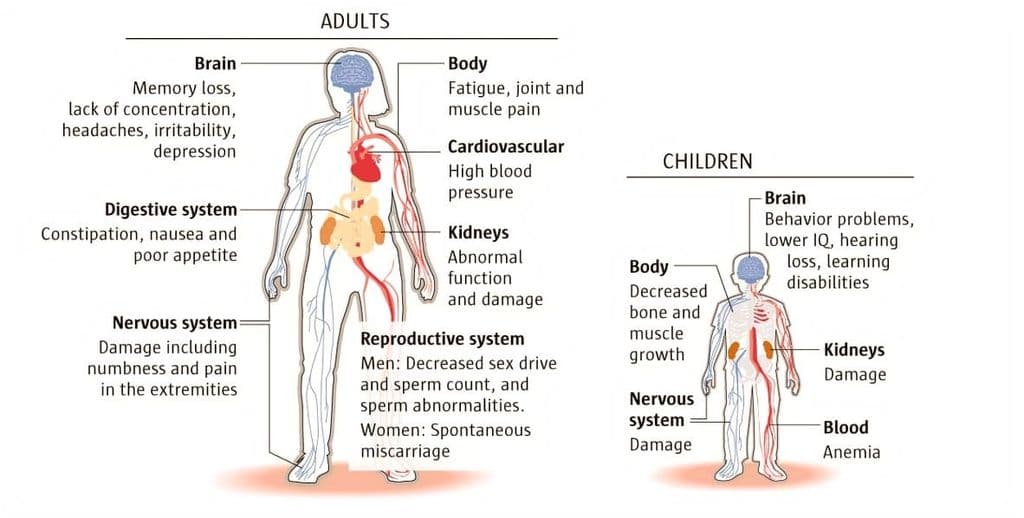
The severity of the health effects of lead contamination is only now being fully realized. Lead in the body can cause serious damage to almost all systems within the body.
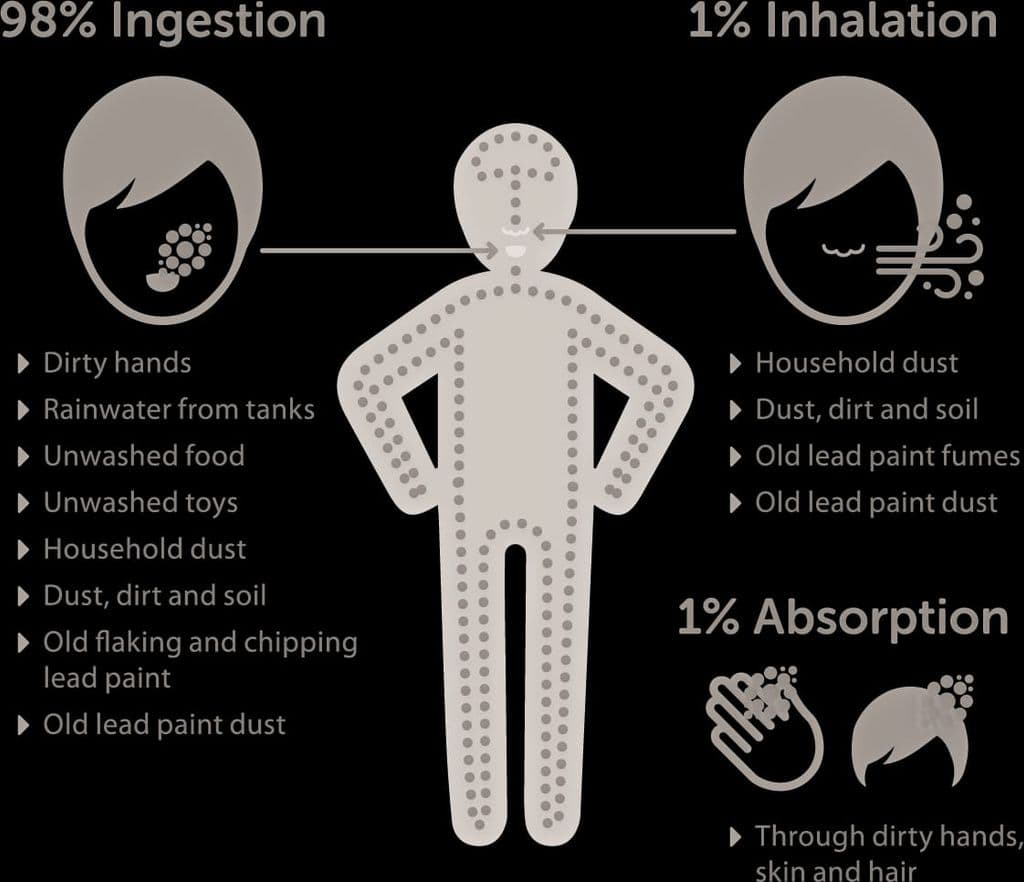
When exposed to an environment that contains lead, a person can take lead into the body tissues through eating (ingesting) or breathing (inhaling) fine particles of lead compounds.

Since lead can affect almost all systems within the body, the symptoms of lead exposure are many. Some of these symptoms can occur with acute and/or chronic exposure to lead.

Once in the body, lead is distributed by the bloodstream to red blood cells, soft tissue, and bone.

Elemental lead is a heavy, soft, easily worked, bluish metal. Lead deposits are often found in the form of galena, a lead-sulfide mineral associated with zinc sulfides and silver.

One provision of Title X directly imposes requirements on owners of private housing.

In 1992 Congress passed Title X – Legislation that represented a new strategy to reduce lead hazards. This law affects how some federal agencies deal with lead-based paint and lead-based hazards.
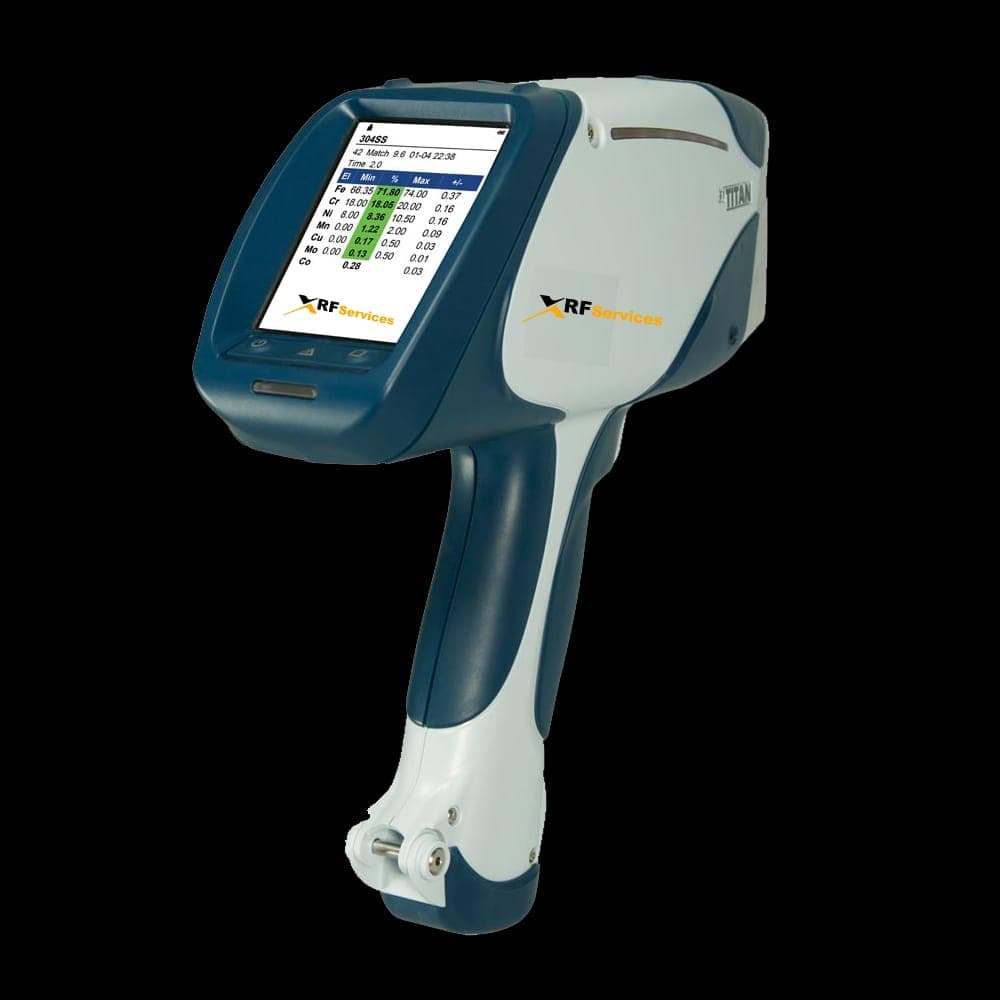
The two types of portable XRF analyzers are direct readers and spectrum analyzers. Most XRF analyzers are portable, weighing less than about two kilograms (approximately 4.5 pounds).

X rays and gamma rays, unlike radio waves, are dangerous because they carry a great deal of energy.
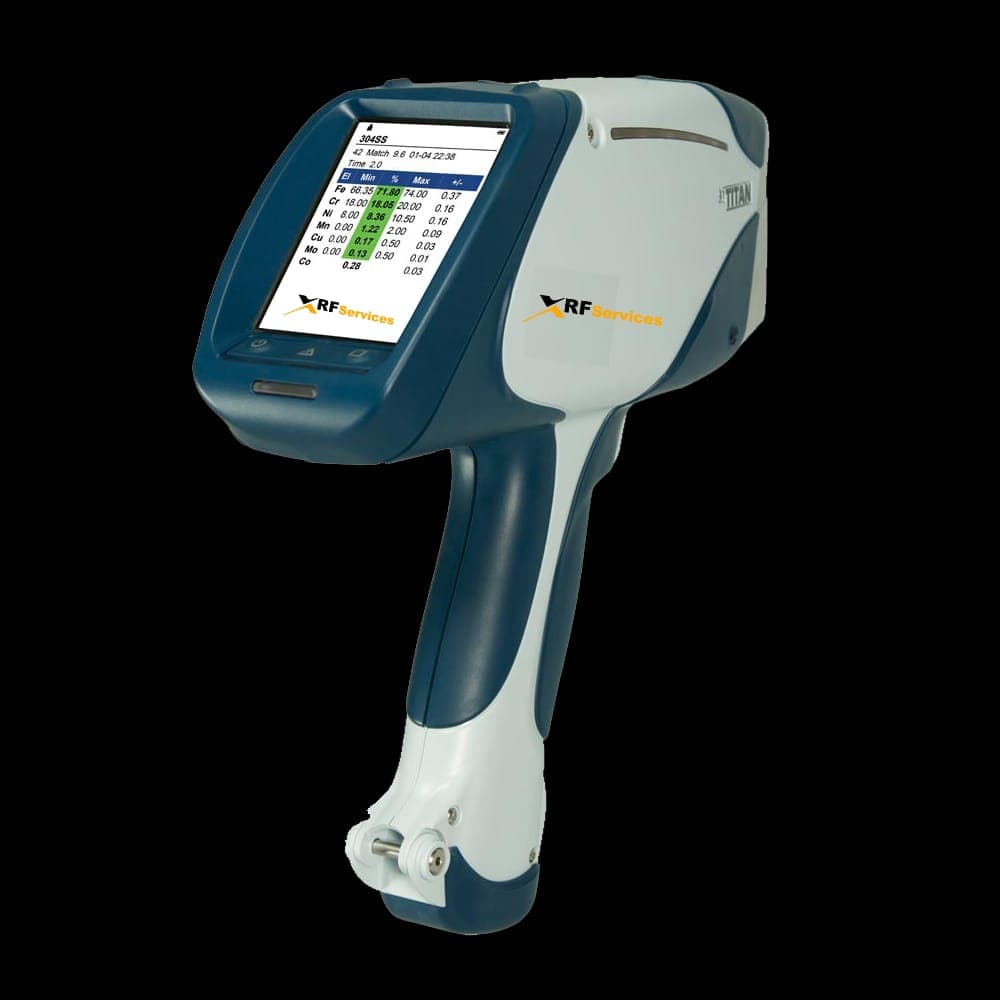
A calibration check is simply a series of measurements on a film or coupon with a known amount of lead-based paint applied to it (i.e., a standard reference material [SRM]) to verify that the instrument is working…

Since the XRF analyzer contains a sealed source of radioactivity, lead inspectors must handle the analyzer with great care.

The cobalt-57 or cadmium-109 isotopes give off gamma and X rays at all times.

Under section 403 of TSCA, the EPA had to develop a rule that identified conditions of lead-based paint and lead levels and conditions in residential dust and soil that may result in a hazard to building occupants,…